5.0 Rating · 16+ Google Reviews
Licensed & Insured in SC
Powering Charleston
24/7 Fast Response
Don't stay in the dark. EmergenServe delivers licensed electrical repair across the Lowcountry — on-site with same-day service capability.
Limited OfferNew customers save 30% on first service
Service Area:CharlestonMt PleasantSummervilleNorth Charleston
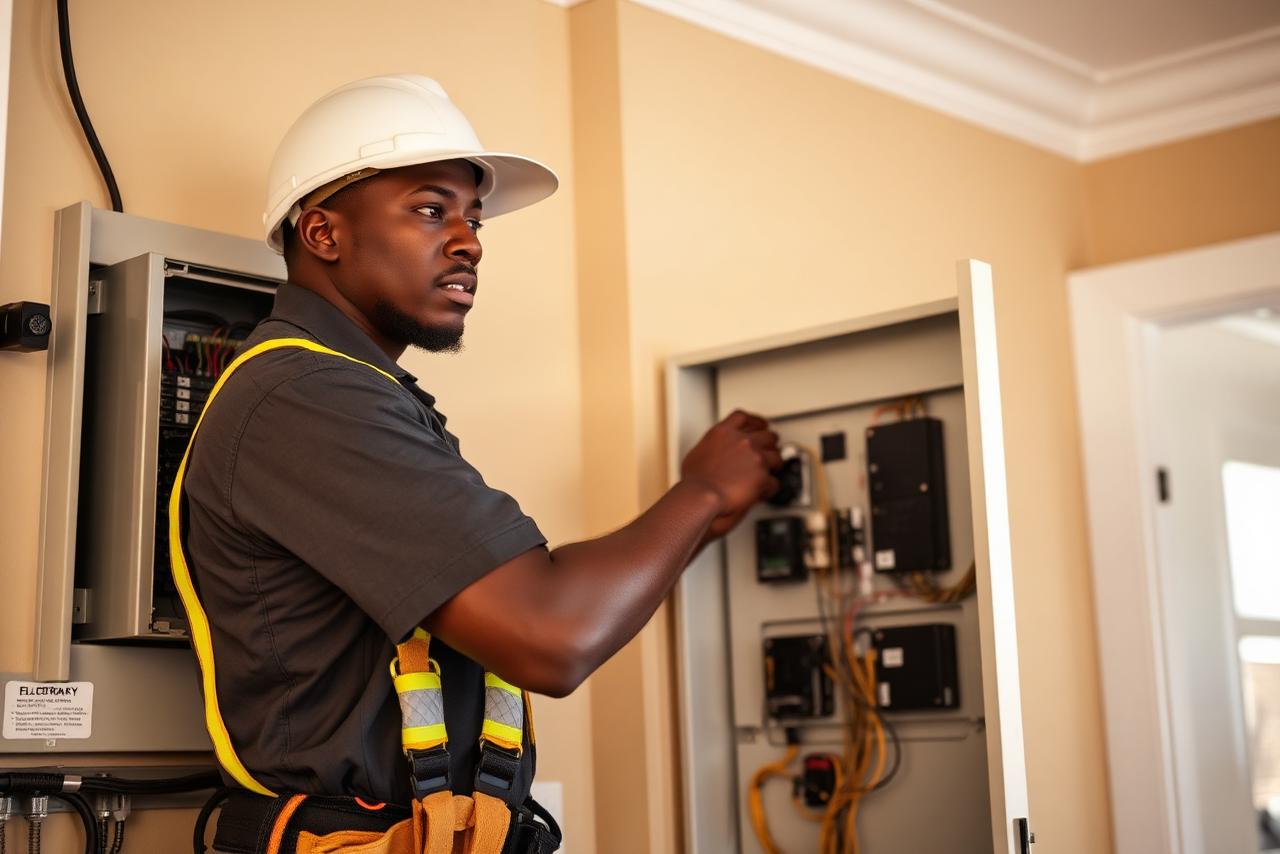
"Always a great experience! LaShaun is very responsive, communicative, and on time. The work was completed quickly and professionally. Highly recommend!"
24HRS
Your Trusted Electrician in Charleston, SC
EmergenServe was founded to solve a problem every Charleston property owner has faced: calling an electrician and waiting days for a callback, only to receive a vague estimate and inconsistent follow-through. We built our company around accountability. When you call (843) 754-1671, a real person answers. When we schedule a time, we show up. When we quote a price, that's what you pay. These aren't slogans. They're the operational standards that have made us the most-reviewed electrician in Charleston.
We invest in our team because your home deserves better than a handyman with a wire stripper. Every EmergenServe technician holds active South Carolina licensing, completes annual continuing education aligned with NEC 2026, and carries the diagnostic tools needed to identify problems accurately the first time. From residential service calls in West Ashley to commercial tenant buildouts along Rivers Avenue, we bring the same professionalism to every job.
Charleston's growth over the past decade has put enormous strain on electrical infrastructure across the metro area. New subdivisions in Summerville and Cane Bay are wired for modern loads, but the grid feeding them was designed for a fraction of the current demand. Older neighborhoods in James Island and North Charleston face the opposite challenge: homes with 60-year-old wiring trying to power 2025 lifestyles. EmergenServe bridges that gap with services ranging from simple outlet upgrades to full panel replacements and commercial new construction wiring.
Locally Owned
Based in Charleston, serving the entire Lowcountry from Mount Pleasant to Johns Island and everywhere in between.
24/7 Availability
Electrical emergencies don't follow business hours. Our electricians respond around the clock, including weekends and holidays.
Full-Service Capability
From simple outlet repairs to complete commercial rewiring, one call covers every electrical need for your home or business.
Residential Experts
Panel upgrades, lighting installations, whole-home surge protection, and EV charger wiring for Charleston homeowners.
Our customer base spans first-time homebuyers in Goose Creek who need a pre-purchase electrical inspection, restaurant owners on Upper King Street who need hood interlock wiring before their health department walkthrough, and property managers on Isle of Palms preparing vacation rentals for peak season with updated lighting and code-compliant smoke detector circuits.
Whatever the project, the process starts the same way: call (843) 754-1671 or use our online scheduler. We'll confirm a time that works for you, arrive on schedule, and deliver work you can trust for years to come. Looking for an electrician in Charleston County, SC? We cover every city, town, and barrier island in the county.
Are you looking for the best Licensed Electrician In Charleston, SC?
Whether you own a historic home downtown or run a business on James Island, EmergenServe delivers dependable electrical work. We handle everything from new construction wiring to aging panel replacements, always up to code and always done right the first time.
Our licensed electrical services include:
- •Electrical Troubleshooting and Repair
- •New Wiring
- •Re-wiring
- •Safety Inspections
- •Service or Panel Upgrades
- •Low Voltage or Data Wiring
- •General Electrical Maintenance
- •Lighting Installation and Repair
- •EV Charging
- •If it is not listed just ask, we probably do it!!!!
Dependable Local Service
Quality Workmanship
Residential & Commercial Experts
or Call us at (843) 754-1671

A Family Business Built on Doing It Right
EmergenServe started with a simple idea: treat every customer the way we'd want to be treated. That means answering the phone when you call, showing up when we say we will, and cleaning up before we leave. We've grown from a one-truck operation to a full-service electrical company serving the entire Lowcountry, but the values haven't changed. Every technician on our team carries the same mindset: do it right, explain what you're doing, and never cut corners. That consistency is why homeowners and business owners keep calling us back, project after project.
Get a QuoteEV Charging and Generators
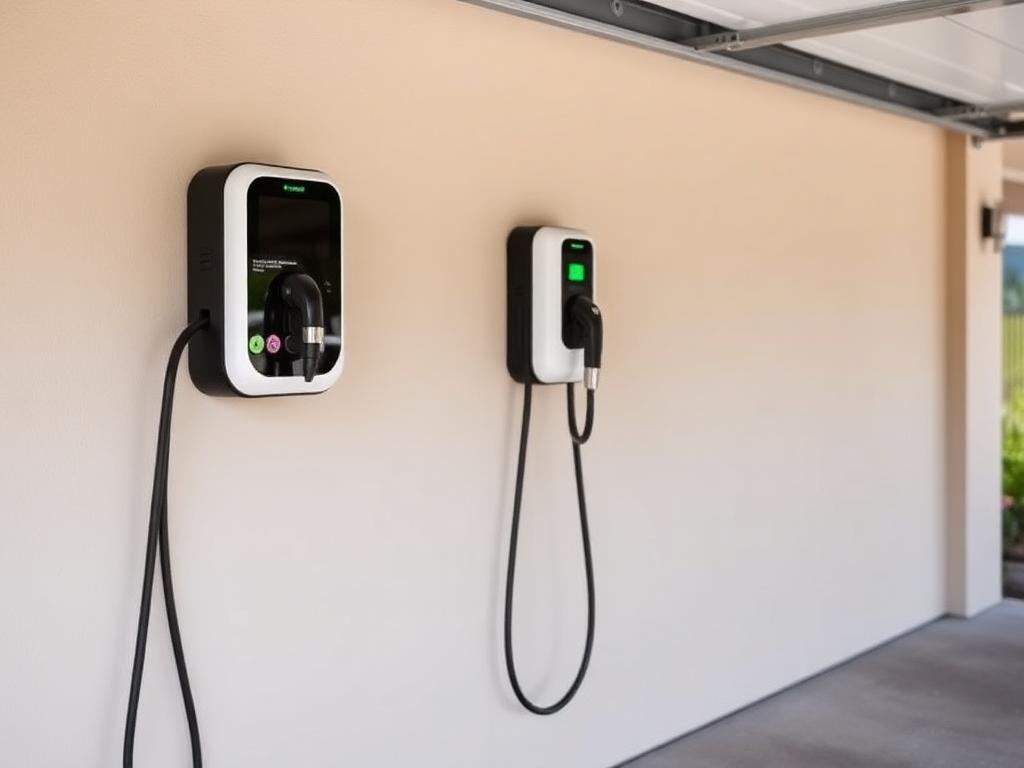
The shift to electric vehicles is happening right now in driveways across Mount Pleasant, Daniel Island, and West Ashley. EmergenServe installs Level 2 chargers for Tesla, Ford, Rivian, and every other major brand, correctly sized to your panel's available capacity. We've also wired commercial SuperCharger stations for multi-unit properties. Need backup power for hurricane season? We connect portable generators with code-compliant transfer switches and install whole-home standby systems that activate automatically within seconds of a grid outage.
- We have installed most brands of commercial and residential EV Chargers
- We have installed EV SuperChargers
- We can correctly connect your portable generator to power your home
- We can install and supply a whole home generator for standby automatic power
Meet EmergenServe
Our Work in the Lowcountry
Latest Updates from EmergenServe
Panel Upgrades & Service Expansion
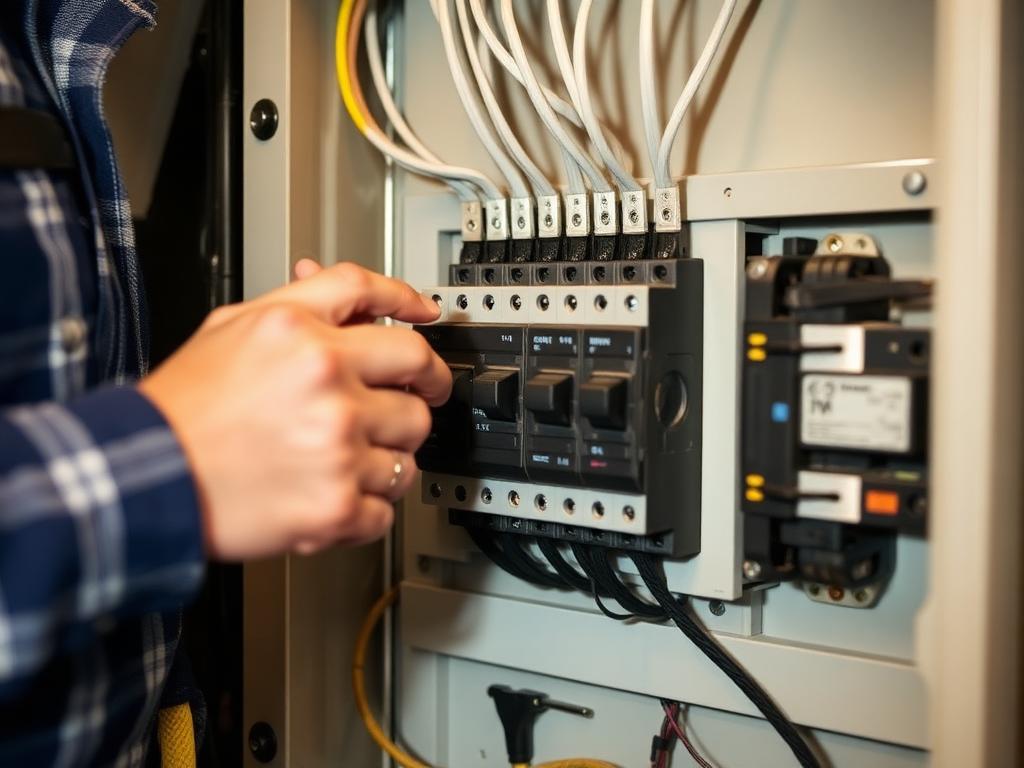
Your electrical panel is the central hub that distributes power to every room in your home. If it's more than 20 years old, running out of breaker slots, or bearing a recalled manufacturer label, every circuit downstream is at risk. EmergenServe sizes new panels based on detailed load calculations specific to your property, not guesswork, so you get exactly the capacity you need today and room to grow tomorrow.
- Upgrade outdated fuse boxes to modern breaker panels
- 200-amp and 400-amp service upgrades for growing power needs
- Code-compliant installations meeting NEC 2026 standards
- Whole-home surge protection integration available
Lighting Design & Installation
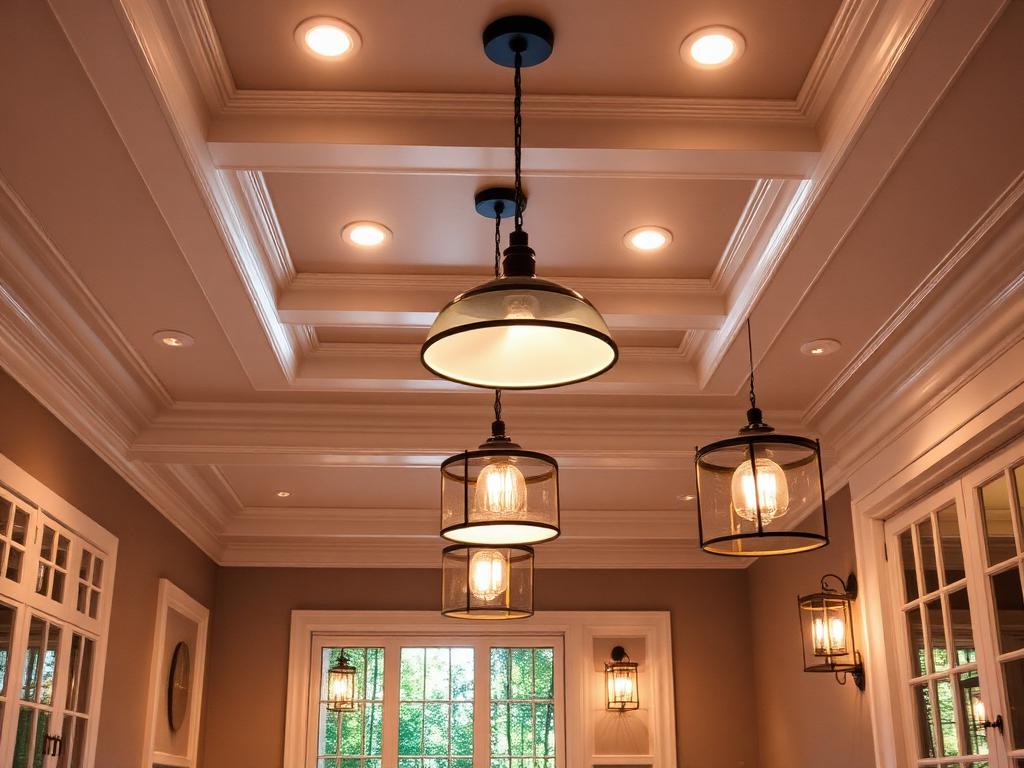
Lighting does more than illuminate. It defines the character of every space in your home. A well-designed lighting plan layers ambient, task, and accent light to create rooms that feel inviting during the day and dramatic at night. EmergenServe works with homeowners to develop custom layouts tailored to how each room is actually used, from focused task lighting over kitchen islands to soft accent washes along hallway walls.
- Recessed lighting, pendant installations, and under-cabinet LED
- Landscape and exterior security lighting
- Dimmer switches and smart lighting controls
- Energy-efficient upgrades that lower your power bill
Safety Inspections & Surge Protection
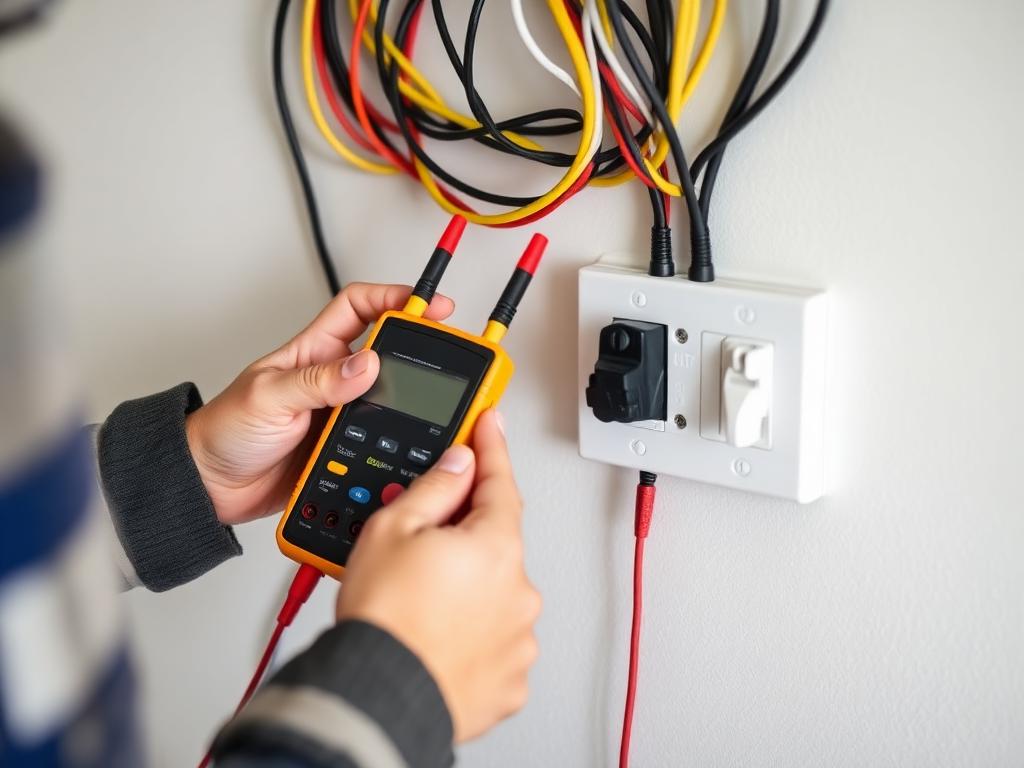
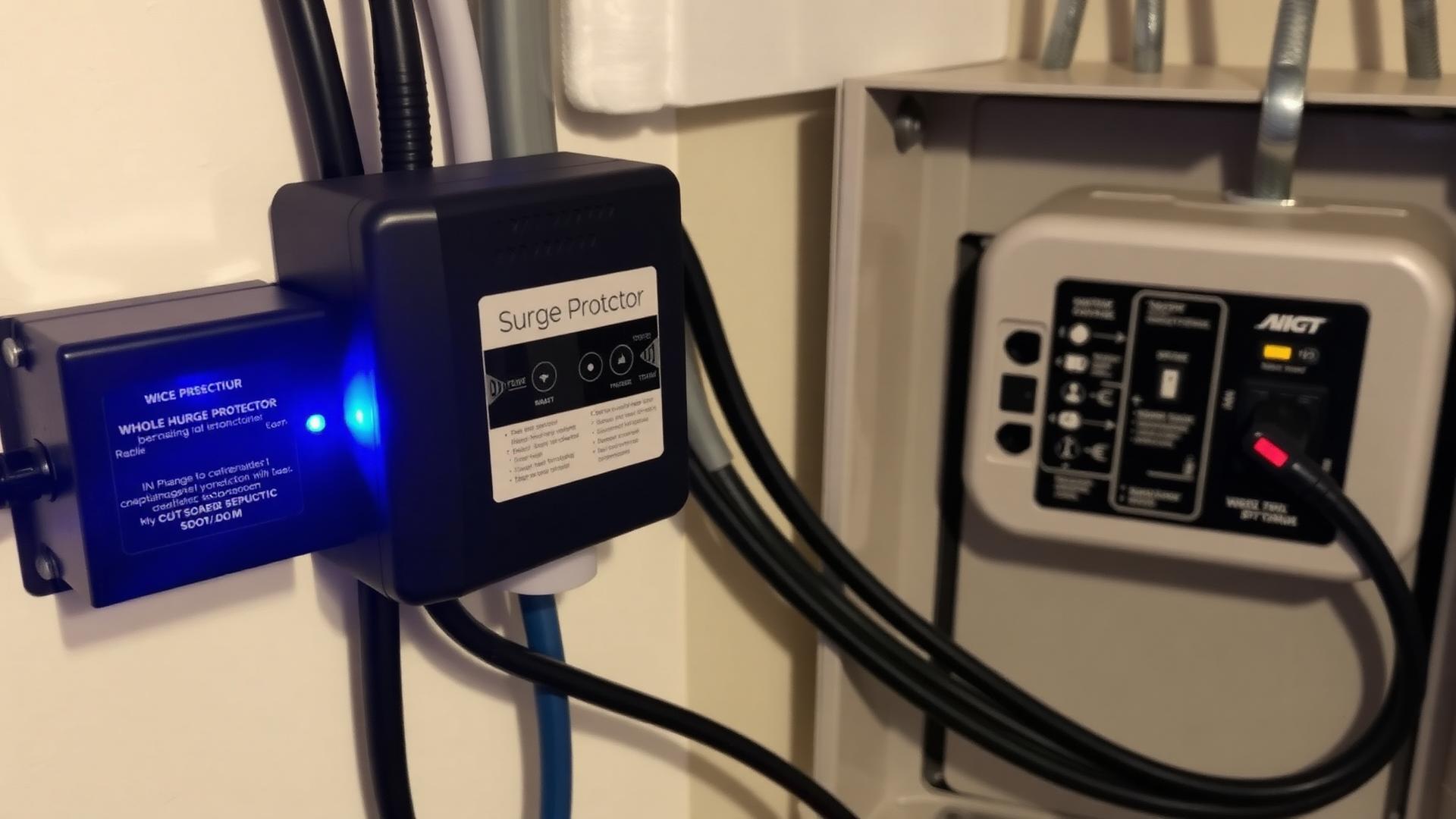
An electrical system you can't see is easy to ignore, until something goes wrong. Proactive inspections catch failing connections, improper modifications from previous owners, and code violations that put your family at risk. EmergenServe also installs whole-home surge protectors that absorb voltage spikes at the panel, shielding every connected device from damage caused by lightning, utility switching, and internal load cycling.
- Full home electrical safety inspections
- GFCI and AFCI protection for kitchens, bathrooms, and outdoor outlets
- Smoke detector and CO alarm wiring
- Aluminum wiring remediation for older Lowcountry homes
What Sets Our Emergency Response Apart
Most electrical companies advertise "24/7 service" but route after-hours calls to an answering service that collects your name and promises a callback in the morning. EmergenServe operates differently. Our dispatchers are trained to triage electrical emergencies in real time, asking targeted questions about what you see, smell, and hear so we can determine whether you need to shut off your main breaker immediately or whether the situation can wait until a technician arrives. That guidance alone has prevented property damage for dozens of Lowcountry families.
Our technicians live in the communities they serve. The electrician who responds to your midnight call in James Island lives twenty minutes away, not in another county. The same goes for Mount Pleasant, Summerville, and Goose Creek. Local proximity means faster arrival and familiarity with the building styles, utility infrastructure, and weather patterns specific to each neighborhood.
We also follow up. Every emergency call gets a next-day check-in to make sure the repair is holding and to discuss any longer-term improvements that might prevent a repeat event. If your emergency was caused by an aging panel or deteriorating wiring, we'll outline options and pricing so you can plan ahead rather than react to the next failure. Learn more about our 24/7 emergency electrician service or call (843) 754-1671 now.
Why Electrical Work in Charleston Requires Local Expertise
National franchise electricians follow a one-size-fits-all playbook. Charleston's geography, building codes, and climate demand something more specific.
Flood Zone Electrical Risks
Much of the Charleston peninsula and surrounding barrier islands sit in FEMA flood zones. When floodwater reaches electrical panels, outlets, or subfloor wiring, the damage isn't always visible after the water recedes. Corrosion begins immediately on copper connections, and moisture trapped inside conduit or junction boxes creates short-circuit conditions that may not surface for weeks. EmergenServe performs post-flooding electrical assessments and replaces compromised components before hidden damage becomes a fire or shock hazard.
Tree Contact and Overhead Service Lines
Live oaks and mature crepe myrtles are defining features of Lowcountry landscapes, but they also grow into overhead service entrance cables and drop limbs onto weatherheads during storms. A branch resting on your service drop creates an arcing risk every time the wind blows. EmergenServe coordinates with Dominion Energy to address tree-to-line contact, replaces damaged service entrance cables, and installs weatherproof mast assemblies designed to withstand future storm events.
Multi-Unit and Rental Property Compliance
Charleston's rental market is booming, and property owners managing duplexes, triplexes, and short-term vacation rentals face stricter electrical compliance requirements than single-family homeowners. Separate metering, smoke detector interconnection, tamper-resistant outlets in tenant spaces, and GFCI protection in all wet locations are all required under current code. EmergenServe audits multi-unit properties and brings them into full compliance, protecting both tenants and owners from liability.
Insurance and Real Estate Transaction Requirements
Lowcountry insurance carriers are increasingly requiring electrical inspections, panel documentation, and wiring certifications as conditions of coverage renewal. Homes with outdated panels, ungrounded circuits, or undocumented modifications face higher premiums or outright denial. Real estate transactions in Charleston County routinely stall over electrical findings from home inspections. EmergenServe provides the written assessments, repairs, and certification documentation that insurers and closing attorneys require to move forward.
How We Approach Every Electrical Project
Whether the job is a single outlet or a full commercial buildout, our process stays the same. Here is what you can expect when you work with EmergenServe.
Transparent estimates before any work begins. We walk your property, assess the scope, and provide a written quote that itemizes labor, materials, and permit fees. If we find additional issues during the job, we stop and discuss them with you before proceeding. You will never receive a surprise invoice from EmergenServe. This approach has earned us repeat business from homeowners across Charleston, North Charleston, and Hanahan who have been burned by vague bids from other contractors.
Permits pulled and inspections scheduled for you. Many homeowners don't realize that electrical work beyond basic outlet replacements requires a permit in Charleston County. Unpermitted work can void your homeowner's insurance, create problems during a future sale, and leave you liable if something goes wrong. EmergenServe handles the permitting process from start to finish, including scheduling the final inspection with the county building department so you never have to make that call yourself.
Clean jobsites, every time. Our crews lay drop cloths, wear shoe covers on finished floors, and clean up debris before they leave. You should not have to vacuum drywall dust or pick up wire clippings after paying for professional electrical work. This standard applies to every project from a single outlet installation to a whole-home rewiring project.
Workmanship warranty on every job. We stand behind our work with a written warranty. If a connection fails, a fixture malfunctions, or any issue related to our installation arises after we leave, we come back and make it right at no additional charge. Our warranty covers materials we supply and the labor to install them. For Charleston homeowners who have dealt with contractors who disappear after cashing the check, this guarantee provides real accountability.
Ongoing maintenance relationships. Many of our residential customers in Isle of Palms, Johns Island, and Moncks Corner schedule annual electrical checkups the same way they schedule HVAC maintenance. We tighten connections, test safety devices, inspect panel components for wear, and flag anything that might cause trouble before it does. Preventive maintenance extends the life of your electrical system and gives you documented proof of upkeep that insurance companies appreciate.
Same Day Electrical service in Charleston, SC

Ready to Experience Superior Charleston Electrical Care?
Schedule a no-obligation consultation or request a same-day estimate. Our team is standing by around the clock because your electricity doesn't wait, and neither should you.
Get a QuoteWhat Our Charleston Customers Say
Contact Us
Fill In Your Information and We'll Get Back to You
Fill out the form below and our team will get back to you promptly to answer any questions. If you would like to schedule now, you can take a look at our online calendar and BOOK YOUR APPOINTMENT ONLINE.
Business Hours
- Monday – Friday7am – 5pm
- SaturdayBy Appointment
- SundayClosed
Emergency Services Available 24/7