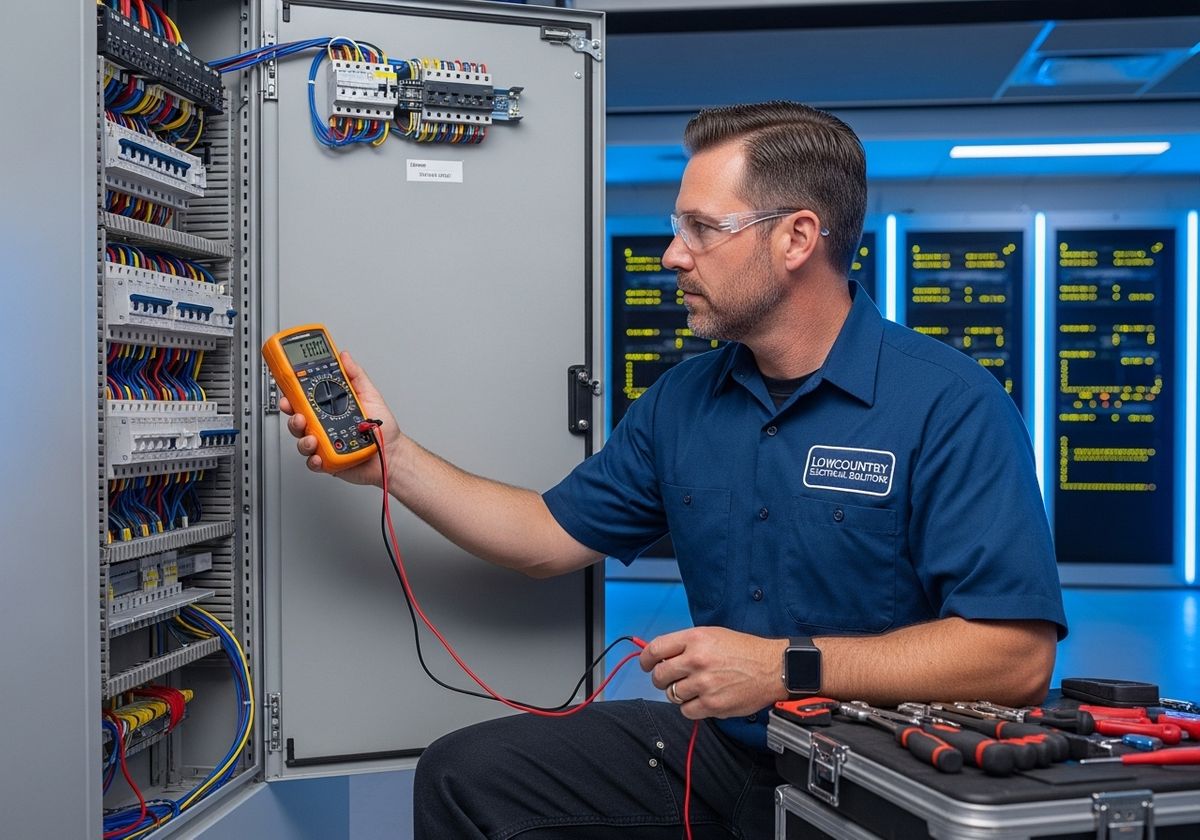
Navigating the electrical codes in Charleston can be complex, especially for commercial properties. At EmergenServe, we understand that ensuring your building meets these standards is not just about compliance; it's about safety, efficiency, and the long-term reliability of your electrical systems.

Understanding Charleston's Electrical Codes
Charleston adheres to a specific set of electrical codes, often based on the National Electrical Code (NEC) but with local amendments. These codes cover everything from wiring methods and overcurrent protection to grounding and bonding. Commercial properties have unique requirements due to their larger scale and diverse electrical needs.
Staying updated on these codes is crucial. Regular changes occur, and what was compliant last year might not be this year. Local authorities provide resources and updates, but it's also wise to consult with qualified professionals who specialize in code compliance.
Key Areas of Commercial Electrical Compliance
Several key areas demand attention to ensure compliance:
Wiring and Cabling: Using the correct type and size of wiring for the intended load is paramount. Proper installation methods, including securing and protecting cables, are also critical.
Grounding and Bonding: A robust grounding system is essential for safety. It provides a path for fault current to return to the source, tripping breakers, and preventing electrical shock hazards. Bonding ensures all metallic parts are at the same potential, further reducing shock risks.
Overcurrent Protection: Circuit breakers and fuses must be correctly sized and installed to protect circuits from overloads and short circuits. Regular inspection and testing are necessary to ensure these devices function correctly.
Emergency Systems: Commercial buildings often require emergency lighting, backup power, and fire alarm systems. These systems must be installed and maintained according to strict codes to ensure they operate reliably during emergencies.
Specialty Equipment: Equipment like HVAC systems, commercial kitchens, and industrial machinery has specific electrical requirements. Compliance involves proper wiring, dedicated circuits, and safety disconnects.
Tips for Achieving and Maintaining Compliance
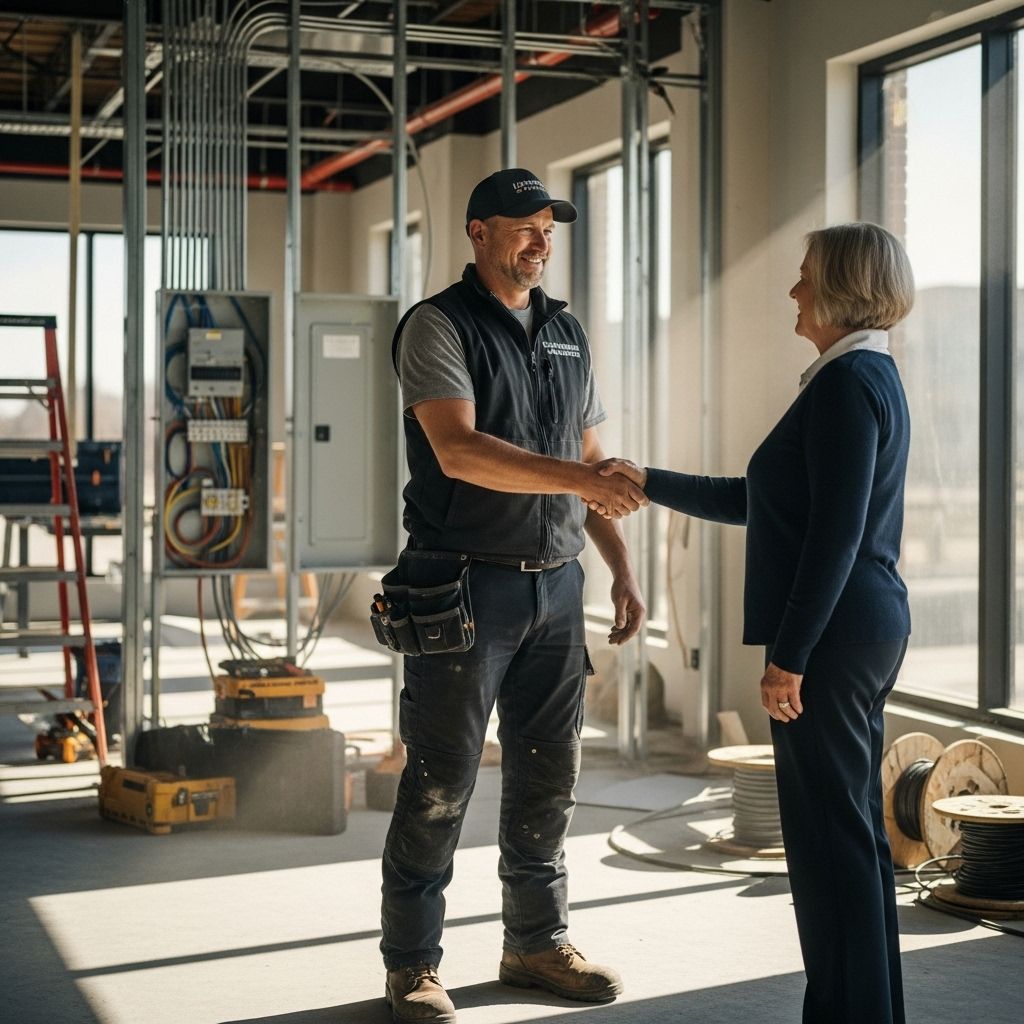
Engage Qualified Professionals: Partner with an experienced commercial electrician familiar with Charleston's codes. Their expertise ensures your electrical systems are installed and maintained to the required standards. EmergenServe is a great choice for this.
Regular Inspections and Testing: Schedule routine inspections and testing to identify potential issues before they become code violations. Thermographic scanning, insulation testing, and ground impedance testing can reveal hidden problems.
Maintain Accurate Records: Keep detailed records of all electrical work, including permits, inspections, and testing reports. These records are invaluable for demonstrating compliance during inspections and for future maintenance.
Stay Updated on Code Changes: Subscribe to industry publications, attend seminars, and maintain close contact with local authorities to stay informed about the latest code changes.
Why Compliance Matters
Beyond avoiding fines and penalties, code compliance ensures the safety of your employees and customers. It also protects your property from electrical fires and other hazards. A compliant electrical system operates efficiently, reducing energy costs and minimizing downtime. Whether you need a residential electrician or a commercial electrician, adhering to local codes is paramount.
Meeting Charleston's commercial electrical codes is an ongoing process that requires diligence, expertise, and a commitment to safety. By understanding the key areas of compliance, following best practices, and partnering with qualified professionals like EmergenServe, you can ensure your property meets the required standards and operates safely and efficiently. Contact us today for a consultation.