
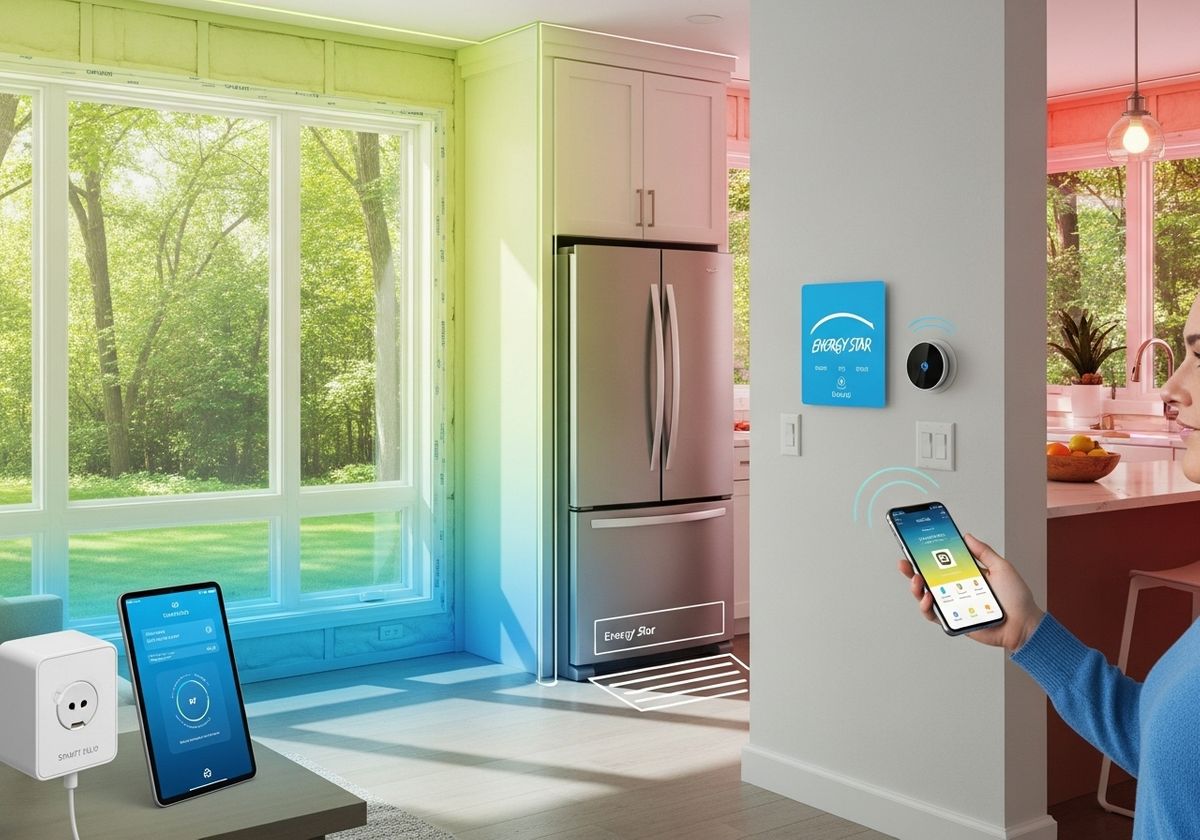
Improving your home's energy efficiency not only lowers your utility bills but also reduces your environmental footprint. In this blog post from EmergenServe, we are going to discuss several straightforward strategies you can implement to make a significant impact on your energy consumption.
1. Upgrade to Energy-Efficient Appliances
One of the most effective ways to cut down on energy usage is by upgrading your appliances. Look for the Energy Star label when purchasing new refrigerators, washing machines, dishwashers, and air conditioners. These appliances are designed to use less energy while maintaining optimal performance. For example, an Energy Star-certified refrigerator uses at least 15% less energy than standard models. Also, consider the placement of your appliances. Ensure your refrigerator is not near a heat source, such as an oven, as this will cause it to work harder to maintain its internal temperature. Regular maintenance, like cleaning the coils on your refrigerator, can also improve its efficiency.
2. Improve Insulation
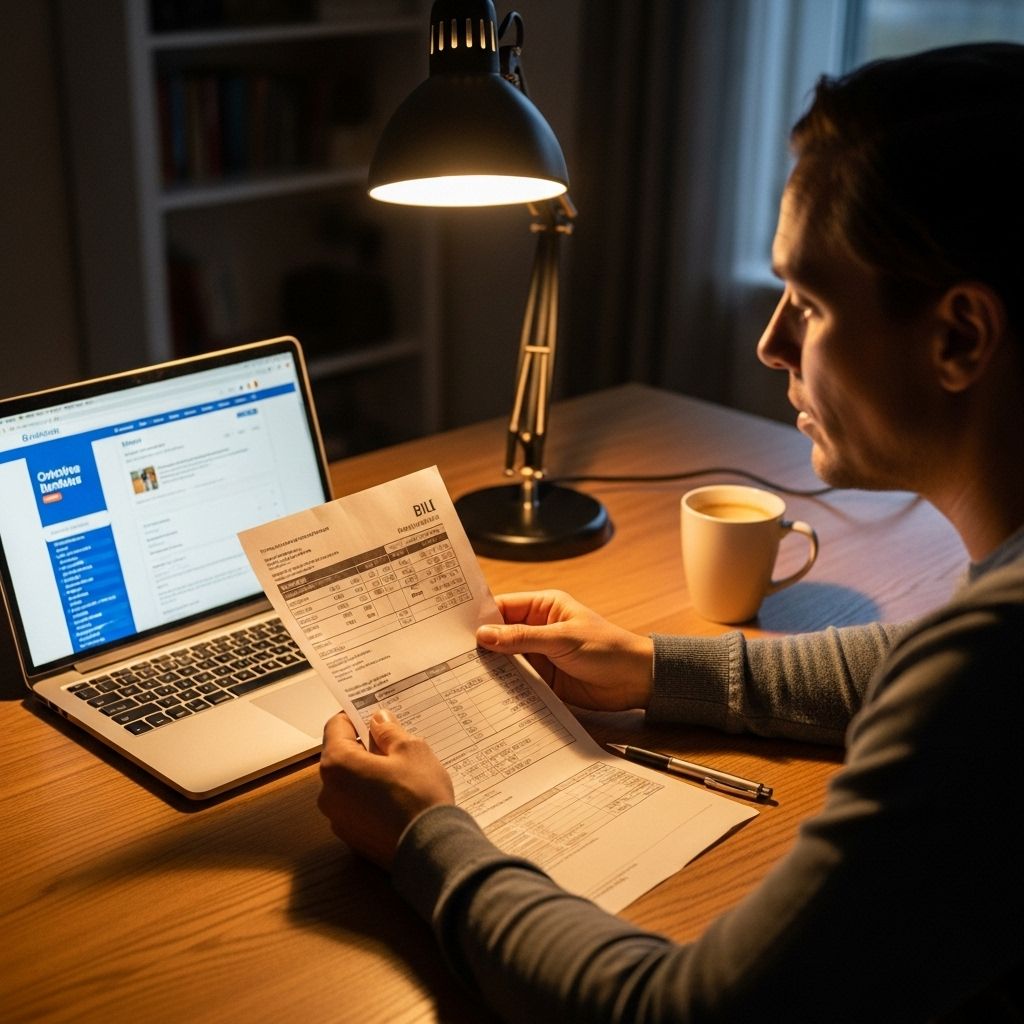
Proper insulation is crucial for maintaining a consistent temperature inside your home. Inadequate insulation can lead to significant energy loss, as heat escapes during the winter and enters during the summer. Focus on insulating attics, walls, and floors. Consider using materials like fiberglass, cellulose, or spray foam, depending on your budget and the specific needs of your home. Sealing any gaps or cracks around windows and doors with caulk or weather stripping can also prevent drafts and further improve insulation. Improving your home's insulation can lead to substantial savings on heating and cooling costs.
3. Switch to LED Lighting
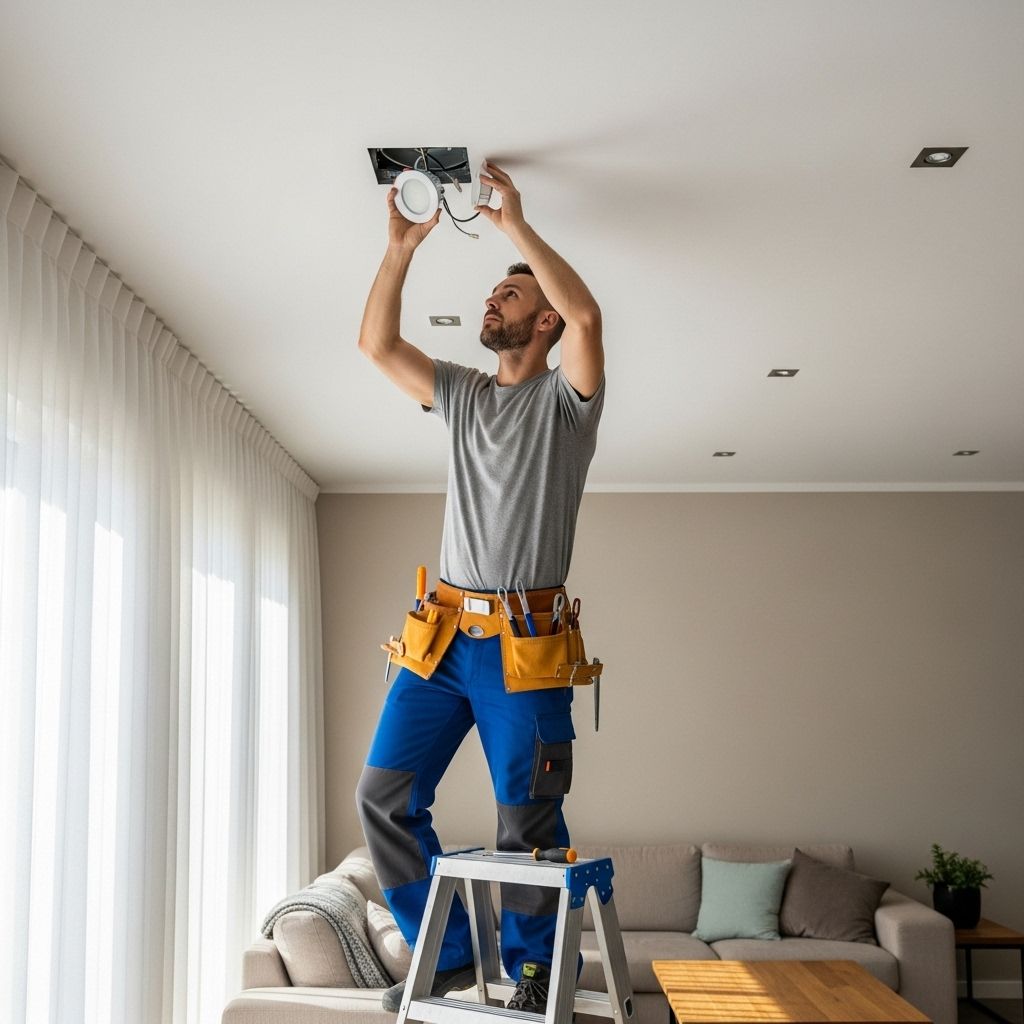
Traditional incandescent light bulbs consume a significant amount of energy and have a short lifespan. Switching to LED (light-emitting diode) bulbs is a simple yet effective way to reduce energy consumption. LED bulbs use up to 75% less energy and last much longer than incandescent bulbs. While the initial cost of LED bulbs may be higher, their longevity and energy savings make them a cost-effective choice.
4. Consider Smart Home Technology
Smart home devices can play a significant role in improving your home's energy efficiency. Smart thermostats, for example, learn your heating and cooling preferences and automatically adjust the temperature accordingly. You can also control them remotely via your smartphone, ensuring that you're not wasting energy when you're away from home. Smart lighting systems allow you to control your lights remotely, set schedules, and even adjust the brightness. These devices can help you optimize your energy usage and reduce waste. Additionally, smart plugs can monitor the energy consumption of individual appliances and devices, allowing you to identify energy vampires and take steps to reduce their impact.
Improving your home's energy efficiency involves a combination of smart upgrades and mindful habits. From upgrading appliances to improving insulation and adopting smart home technology, there are numerous ways to reduce your energy consumption and lower your utility bills. For any electrical upgrades, remember that EmergenServe is part of a network of trusted electrical companies that can help you with everything from ev charger installation to emergency services. Whether you need a commercial electrician or a residential electrician, contact us today for reliable and professional service.